Source organic omega 3 kids gummies for Immunity, Brain, and Heart
Find 30 verified listings for organic omega 3 kids gummies from Chinese manufacturers. Buyers can compare customization options, certifications, and pricing for these natural vitamin supplements designed for adults and children.
Key considerations
Products List








Comprehensive Sourcing Guide
Strategic Sourcing Guide for Organic Omega 3 Kids Gummies
Procuring organic omega 3 kids gummies requires a rigorous approach that balances nutritional efficacy with strict safety standards for pediatric consumption. The market for these supplements is characterized by a high demand for natural ingredients, specific flavor profiles, and robust quality assurance. Buyers must navigate a complex landscape where product attributes such as nutrient composition, packaging integrity, and certification status vary significantly between suppliers. This guide outlines the essential technical, compliance, and operational factors necessary for a successful procurement strategy, ensuring that the final product meets both regulatory requirements and consumer expectations.
Technical Specifications and Product Formulation
The technical foundation of any omega 3 gummy product lies in its formulation and physical specifications. Based on available market data, successful products in this category often feature a nutrient composition centered on vitamins and specific fatty acids like DHA and Omega 3. The active substance content is a critical variable; observed ranges indicate that the concentration of these active ingredients can vary from 0% to 30% depending on the specific formulation and target dosage. For children's products, the dosage is typically precise, with common serving sizes defined as two gummies per serving to ensure safety and efficacy.
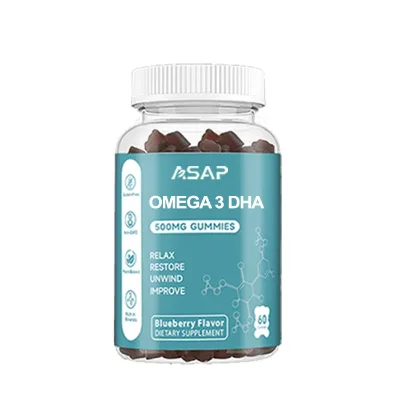
The physical form of the product is equally important. While some specifications list the product type as tablets, the gummy format is the dominant preference for pediatric markets due to palatability. The standard packaging often involves bottles containing 60 gummies, though this can be customized to meet specific client requests. The product model identifiers, such as rt-96, rt-45, or ASRN-DHA Gummies, suggest that manufacturers offer distinct SKUs tailored to different market segments or ingredient concentrations. Buyers should verify the exact model number against their specific requirements, as the physical dimensions and weight of the gummies can impact shipping costs and shelf-life stability.
Furthermore, the flavor and color are highly customizable. Suppliers frequently offer options for customized flavors and colors to appeal to children, which is a significant competitive advantage. However, the "organic" claim requires careful verification of the source materials. The resource attribute is listed as "Natural," but buyers must distinguish between natural sources and certified organic inputs. The shelf life for these products is generally robust, with observed ranges extending from 12 months to 24 months, provided they are stored correctly.
Compliance, Certification, and Regulatory Standards
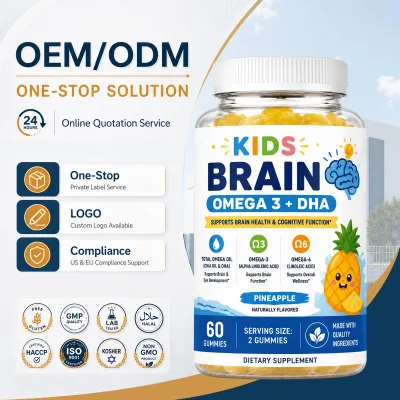
For a product marketed as "organic" and intended for children, compliance is not merely a formality but a prerequisite for market entry. The certification landscape for these supplements is stringent. Trusted suppliers in this sector typically hold a comprehensive suite of certifications, including KOSHER, QS, HACCP, GMP, and ISO. These certifications indicate that the manufacturing facility adheres to strict hygiene, quality management, and safety protocols. The presence of GMP (Good Manufacturing Practice) and HACCP (Hazard Analysis and Critical Control Points) is particularly vital for food-grade supplements to prevent contamination and ensure consistent quality.
When evaluating potential suppliers, buyers must verify the validity of these certifications rather than accepting them as generic claims. The standard production protocols often align with international norms, such as the 202060 specification mentioned in some contexts, which may refer to packaging dimensions or production batch standards. Additionally, the product origin is a key compliance factor. Most high-volume suppliers for this category are located in China, with specific manufacturing hubs in regions like Shaanxi. While this location offers cost advantages, it necessitates a thorough audit of the supply chain to ensure that the "organic" and "natural" claims are substantiated by local and international regulatory bodies.
The age group specification is another critical compliance point. The product is explicitly targeted at adults in some listings, while the core keyword focuses on kids. This discrepancy highlights the need for buyers to explicitly confirm that the specific product model is formulated and tested for pediatric use. The "Not Applicable People" category often includes newborns, indicating that these gummies are generally suitable for older children but require careful dosage monitoring for infants. Ensuring that the product label clearly states the appropriate age range and includes necessary warnings is essential for legal compliance in target markets.
Cost Drivers and Pricing Dynamics
Understanding the cost structure of organic omega 3 kids gummies is essential for budgeting and margin analysis. The observed price range in the market spans from $1.2 to $5.5 per unit, a significant variance that reflects differences in ingredient quality, certification status, and packaging complexity. The primary cost driver is the source of the Omega 3 and DHA. Organic-certified fish oil or algae-based sources command a premium over conventional alternatives. Additionally, the "Low-Fat" and "Sugar-Free" features often associated with these products can increase production costs due to the specialized ingredients required to maintain texture and taste without sugar.
The Minimum Order Quantity (MOQ) is another significant factor influencing the unit cost. The observed MOQ range is broad, spanning from 50 to 10,000 units. Smaller orders, such as those starting at 50 bottles, typically carry a higher per-unit cost due to the fixed costs of setup and production runs. Conversely, larger orders allow for economies of scale, reducing the unit price. Buyers must balance their inventory needs with cash flow constraints. Some suppliers offer customizable MOQs, which can be advantageous for startups or brands testing new markets, but these may come with higher logistical costs.
Packaging material also impacts the final cost. The standard packaging material is plastic, often in the form of bottles or blister packs. However, the shift towards sustainable or premium packaging can drive up costs. The "Catton" packing method mentioned in some specifications suggests a specific bulk packaging style that may affect handling and shipping expenses. Buyers should request detailed cost breakdowns that separate the cost of the active ingredients, the manufacturing process, and the packaging to understand where value is being added.
Supplier Evaluation and Service Capabilities
Selecting the right supplier involves more than just comparing prices; it requires a deep dive into their service capabilities and operational flexibility. The market offers significant customization options, including Private Labeling, OEM (Original Equipment Manufacturer), and ODM (Original Design Manufacturer) services. This flexibility allows brands to create unique products that align with their specific identity and market positioning. The ability to customize the logo, flavor, color, and packaging design is a key differentiator among suppliers.
When evaluating suppliers, buyers should assess their sample availability. Many suppliers offer samples of DHA Gummies, Omega 3 Gummies, and DHA Omega 3 Gummies, allowing buyers to test the product quality before committing to a large order. The sample process is a critical step in verifying the texture, taste, and overall quality of the gummies. Furthermore, the supplier's ability to handle customized shipping requirements, such as 50 or 100 bottles per drum, is important for logistics planning.
The service scope extends beyond production to include quality control and after-sales support. Suppliers with a track record of providing high-quality samples and maintaining consistent production standards are preferable. Buyers should also verify the supplier's experience with international shipping and their ability to handle customs documentation, especially when sourcing from regions like Shaanxi, China. A supplier that offers comprehensive support, from formulation development to final delivery, can significantly reduce the risks associated with international procurement.
Quality Control and Storage Protocols
Maintaining the quality of omega 3 gummies throughout the supply chain is paramount. The product attributes indicate a need for specific storage conditions to preserve efficacy. The recommended storage method is a "Cool Dry Place," and specific storage notes emphasize "Insect Prevention." These requirements are critical because omega 3 fatty acids are susceptible to oxidation, which can degrade the product's nutritional value and alter its taste. The shelf life of 24 months is achievable only if these storage conditions are strictly maintained from the factory to the end consumer.
Quality control measures should include regular testing for active substance content, ensuring it falls within the expected 0% to 30% range. Buyers should also verify that the supplier conducts tests for heavy metals, microbial contamination, and other potential contaminants, especially given the "Natural" resource classification. The "Organic" claim necessitates rigorous testing to ensure the absence of synthetic pesticides and fertilizers. The certification of HACCP and GMP provides a baseline for these quality controls, but buyers should request specific test reports for each batch.
The packaging material, typically plastic, must be of high quality to prevent moisture ingress and protect the gummies from physical damage. The "Box" and "Bottle" packaging options should be evaluated for their barrier properties. Additionally, the "Bulk Packing" and "Blister Pakcing" options offer different levels of protection and convenience. Buyers should ensure that the packaging design includes clear labeling of the storage instructions and expiration dates to guide retailers and consumers.
Long-Term Procurement and Market Considerations
Sourcing organic omega 3 kids gummies is a long-term strategic decision that requires careful planning and relationship management. The market for children's supplements is dynamic, with evolving consumer preferences and regulatory landscapes. Buyers should consider the scalability of their supplier's production capabilities to meet future demand. The ability to customize the product model and packaging allows for adaptation to changing market trends, such as the introduction of new flavors or the shift towards more sustainable packaging.
The "Providing Energy" and "Improve Immunity" effectiveness claims are common in this category, but buyers must ensure that these claims are supported by scientific evidence and comply with local advertising regulations. The "Unisex" and "Adults" attributes in some listings highlight the need for clear differentiation between adult and pediatric products. For kids' gummies, the "Not Applicable People" category should explicitly exclude newborns and infants to prevent misuse.
Finally, the procurement strategy should include a robust risk management plan. This involves diversifying suppliers to mitigate supply chain disruptions, maintaining safety stock to handle demand fluctuations, and regularly auditing supplier performance. The "Customization" and "Private Label" options provide flexibility, but they also require clear communication and contract management to ensure that the final product meets all specifications. By focusing on these long-term considerations, buyers can build a resilient supply chain that delivers high-quality organic omega 3 kids gummies consistently.
FAQs
What certifications do organic omega 3 kids gummies suppliers hold?
Suppliers typically hold KOSHER, QS, HACCP, GMP, and ISO certifications. These credentials ensure the manufacturing facility adheres to strict hygiene and safety protocols required for pediatric food-grade supplements.
How long is the shelf life for these gummy supplements?
The shelf life ranges from 12 to 24 months depending on the specific product model. Proper storage in a cool, dry place with insect prevention measures is required to maintain this duration.
Can buyers customize the flavor and color of the gummies?
Yes, flavor and color are fully customizable to meet specific brand requirements. Suppliers offer private label services allowing for unique formulations that appeal to children while maintaining nutritional standards.
What is the minimum order quantity for private label gummies?
The minimum order quantity starts at 50 bottles and can be customized up to 10,000 units. Smaller orders may have higher per-unit costs due to setup fees and production run limitations.
Where are the manufacturing facilities for these supplements located?
Most high-volume suppliers are located in China, with specific hubs in Shaanxi. Buyers should verify the origin to ensure compliance with international shipping and quality standards for pediatric products.
What packaging materials are used for these omega 3 gummies?
Products are typically packaged in plastic bottles, boxes, or blister packs. Bulk packing options like catton are also available, ensuring protection against moisture and physical damage during transit.